Chesterfield Farms, llc
SUPPLIERS OF
Providing manufactured soils such as, green roof growing medias, <5% clay bio-retention soils (MDE B.4.1), Horticultural topsoil, potting and planting soils, structural growing media and compost (yard waste and manure based), and compost (yard waste and manure based).

Providing topsoil, bio-retention soils (MDE B.4.1), compost (yard waste and manure based) and double shredded wood mulch.
Our Goal, Mission & Pursuit
Our Goal
To supply the most current innovative soils and erosion & storm water control products to the construction, excavation, landscape and maintenance industries.
Our Mission
To research, develop, manufacture and supply soil and erosion & storm water control products. To offer the best possible customer service in order for our clients to concentrate on their jobs.
Our PursuitThrough our efforts we are setting higher standards for growing medias then using those medias to aide in the cleaning of storm water so as to improve the quality of our waterways.
Soils, etc.
Providing manufactured soils such as
green roof growing medias
<5% clay bio-retention soils (MDE B.4.1)
Horticultural topsoil
potting and planting soils
structural growing media and compost (yard waste and manure based), and
compost (yard waste and manure based)
Located at
1177 Patuxent Road
Odenton, MD 21113
just 2 miles from the intersection of Route 3 South and Route 424/Conway Road.

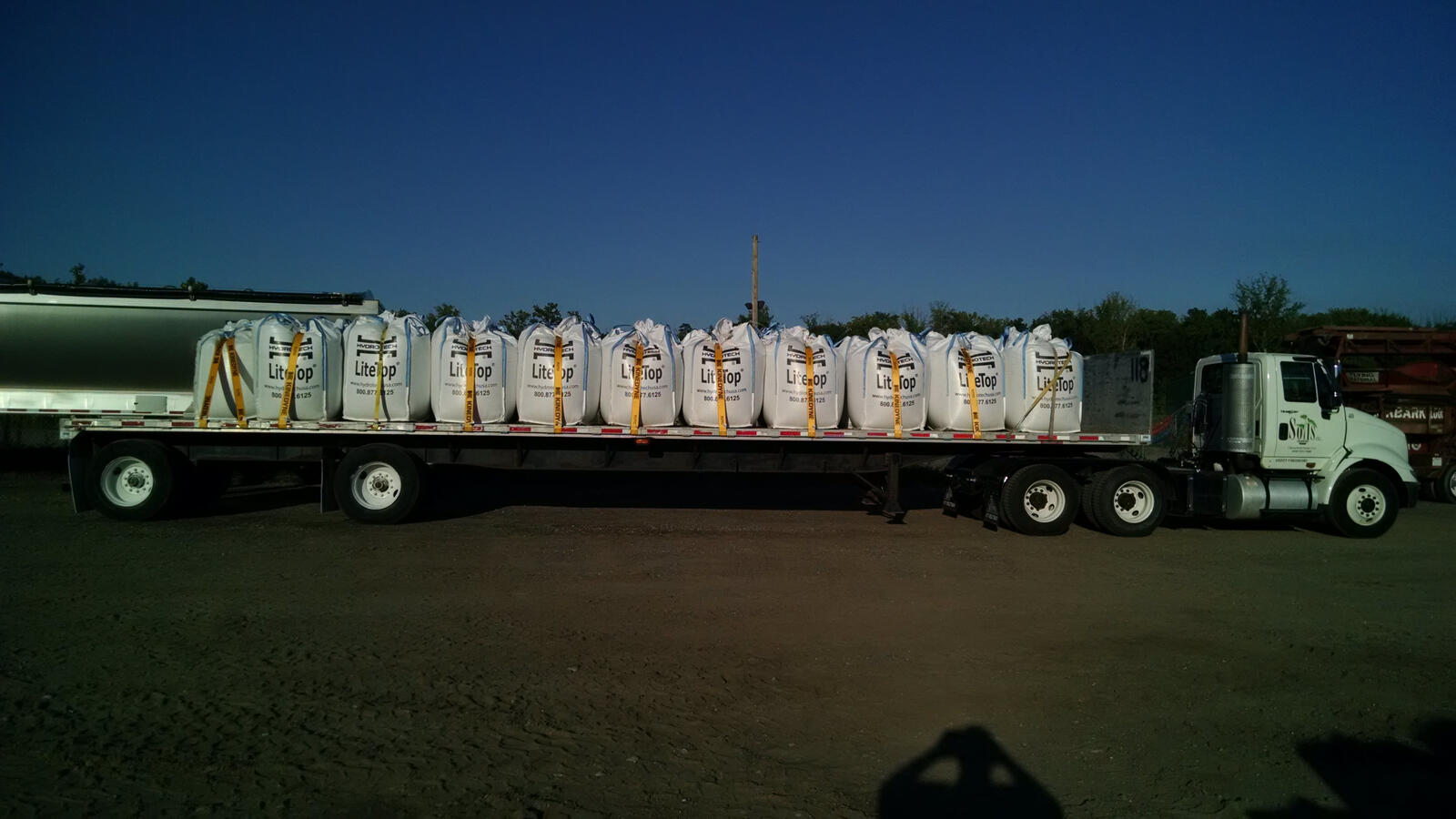
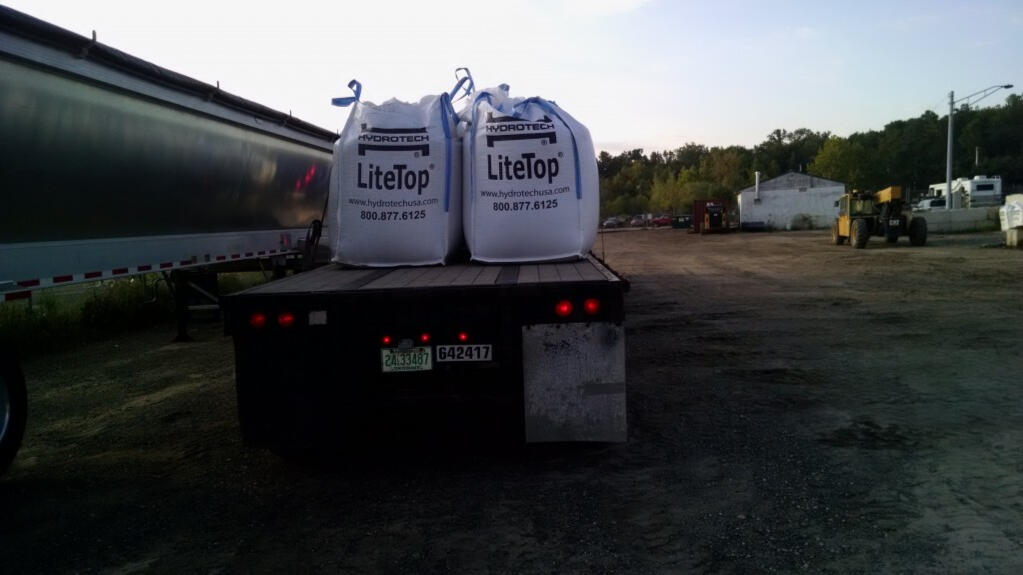

ECOsoils
Soils by Design
Providing
topsoil
bio-retention soils (MDE B.4.1)
compost (yard waste and manure based) and
double shredded wood mulch
Located at
2410 Evergreen Road
Gambrills, MD 21054Just South of Waugh Chapel Village on Brickhead Road at the Reliable Contracting Company Asphalt Plant
Hours of Operation
Monday-Friday 7 AM-3 PM
Billing
P.O. Box 779
Crownsville, Maryland 21032
You can contact Alan at:
(410) 353-3556
or via email: [email protected]
Telephone (443) 867-0706
FAX (410) 721-2031

Contact Chesterfield FARMS, llc
Email [email protected]
Phone (410) 721-7206
Fax (410) 721-2031You can also use this form to send us a message.We welcome any feedback, questions or comments.
Scientifically Blended Soils for Specialized Applications
Chesterfield FARMS is a manufacturer and producer of growing media. Since 2004, we have produced soils for hundreds of growing applications throughout the Baltimore/Washington D.C./Northern Virginia/ Pennsylvania area. Our products have been widely accepted by municipal governments, the Maryland State Highway Administration, the U.S. Army Corp of Engineers, the United States Federal Government and the United States National Park Service. Our Soils are utilized in an array of plantings, green roofs, over-structure applications, structural soil applications and for bio-retention for storm water quality. Chesterfield FARMS has manufactured, produced and sold over a half a million tons of soil.
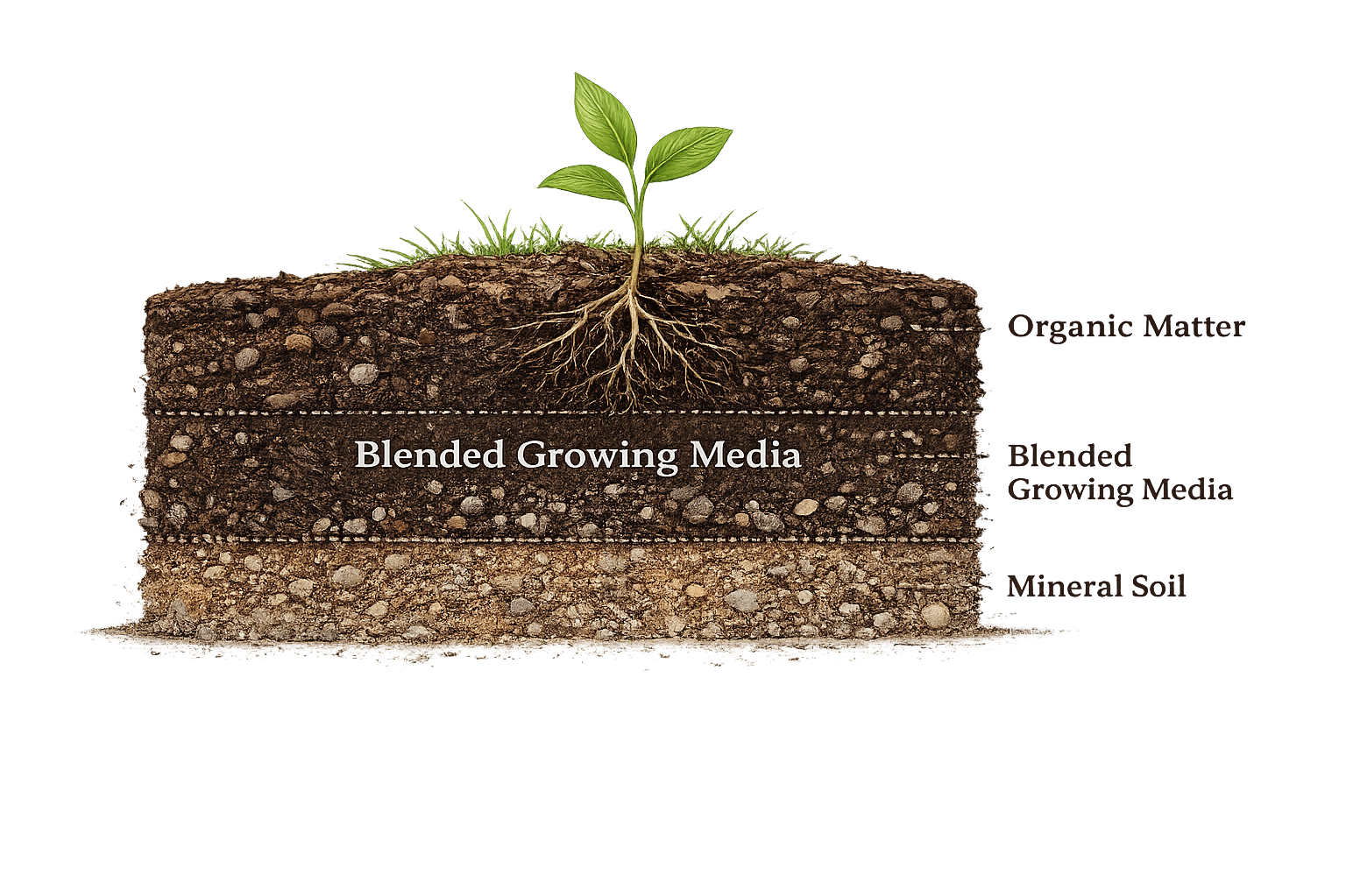
BlendingAll soils manufactured and produced by ECOsoils are blended so the finished product is of the utmost quality. Even our topsoil is blended from different textured topsoil from various locations. This process allows the sand, silt, clay and organic matter content to be in a ratio that makes it conducive to vigorous plant growth.
TestingThe soils used in the blending process are inspected and screened. If necessary, the materials are tested prior to our acceptance and are defiantly tested before blending. Soil testing for finished product quality is performed on a continual basis by an independent laboratory certified and recognized by the jurisdictions we serve. Some in house tests are also performed on a regular basis. Testing is performed based on the volume of the material manufactured and sold.
IngredientsOther blended growing medias are produced using various ingredients such as clay, silt, sand compost, hardwood mulch, lightweight aggregates pine fines and/or bark, Perlite, Stalite, Hydrocks, topsoil and vermiculite. The ingredient ratios and particle size is determined by a landscape architect to best meet the criteria of the application and environment.
Soil Test Report Disclaimer
Soil tests performed by or for Chesterfield FARMS and or Reliable Contracting Company are for guideline purposes only. Any soil test is only a representation of the soil being produced at the time of the test. Due to the inconsistencies of nutrient, pH and the make up of soils as well as the volume of soil produced, there is no warranty or guarantee that soils tested on different dates will match. It is the responsibility of the customer to perform a soil test prior to pick up or delivery. Chesterfield FARMS and Reliable Contracting Company are not responsible for soils once loaded onto a customer’s vehicle or once delivered.
Five Steps to Building Soil
Best management practices (BMPs) during construction
Retain and protect native topsoil and vegetation where practical.
Restore distrubed soils to restore healthy functions by
Stockpiling and reusing good quality site soil, or
Tilling 2 to 3 inches of compost into poor site soils, or
ringing in 8 inches of compost amended topsoil
Loosen compacted subsoil, if needed, by ripping to 12-inch depth.
Mulch landscape beds after planting.
Protect restored soils from erosion or recompation by heavy equipment.
Taken from the March 2008, BioCycle Magazine, David McDonald and Kris BeattyDavid McDonald is a Resource Conservation Planner for Seattle Public Utilities. Kris Beatty is a Program Manager for King County Solid Waste Division. This article draws on the work of the Soils for Salmon Project over the last 10 years.
Benefits of Mature Compost
Mature Compost is a stable humus material created by: combining organic wastes (e.g. Yard trimmings, food wastes, manures) in proper ratios into piles, rows, or vessels; adding bulking agents (e.g. Wood chips), as necessary, to provide air space; controlling temperature, moisture and oxygen to achieve accelerated decomposition; and allowing the finished material to fully stabilize and mature through a curing process.Decomposition is performed by naturally occurring microorganisms (e.g. bacteria, fungi) that utilize the organic materials for their food and energy sources. Proper primary composting involves temperatures between 110 and 150 degrees Fahrenheit, moisture content between 50 and 60%, and adequate oxygen for the microbes. It is complete when pile temperatures decline and remain below approximately 105 degrees Fahrenheit. A subsequent curing period of 2 to 6 months is required for the compost to mature, after which it will not overheat or produce unpleasant odors during storage, and can be beneficially used.
Soil / Plant Improvements
Improves soil structure
Reduces soil compaction and crusting
Increases ease of cultivation
Improves water infiltration & drought tolerance
Increases microbial and earthworm population
Improves nutrient holding capacity
Reduces fertilizer requirements
Improves root growth & yields
Protects plants from disease
Pollution Prevention / Remediation
Prevents erosion of embankments, roadsides, and hillsides
Binds heavy metals in contaminated soils
Degrades many pesticides
Absorbs odors and degrades volatile organic compounds
Diverts organics from landfills into compost, reducing waste burden and methane production
Sources: A.H. Christian & G. K. Evanylo, Extension Specialists, Department of Crop & Soil Environmental Sciences, Virginia Tech; R. Green, Office of Solid Waste, U. S. Environmental Protection Agency; Organics Recycling and Composting Committee (ORCC) of the Virginia Recycling Association. (VRA).